
Choosing the best camera for wildlife photography beginners can feel overwhelming. With so many options, how do you find a travel-ready system that fits your style and budget? This guide breaks down affordable, entry-level wildlife cameras like the Canon R7, Sony a6700, and Nikon Z50, helping you start strong without carrying extra weight or confusion. Your next adventure—and sharper images—await. For further insights, visit this guide on choosing the right nature camera for a beginner.
Choosing the Right Wildlife Camera
Stepping into wildlife photography can be both thrilling and daunting. The key is to find a camera that suits your needs while still being easy to handle.
Key Features for Beginners
It’s essential to focus on features that make photography simpler. Look for autofocus capabilities, like animal eye AF, which helps capture sharp images of moving animals. A high frame rate for burst shooting ensures you won’t miss an action shot. Image stabilization is also crucial, especially with telephoto lenses. This feature helps maintain clarity and reduces blur in your photos. Finally, consider cameras with weather sealing to protect against the elements when outdoors.
Affordable Wildlife Camera Options
You don’t need to break the bank to start capturing quality wildlife images. Some excellent entry-level options are available. Many beginners appreciate the crop sensor cameras for their reach advantage, allowing you to zoom in on distant subjects. Brands like Canon, Sony, and Nikon offer solid models that balance performance with cost. The Canon R7, for example, is a fantastic choice for its blend of features and price point. Similarly, the Sony a6700 offers a compact design without sacrificing image quality. For more camera options, explore Scouty’s guide on the best cameras for photography.
Top Mirrorless Cameras for Wildlife
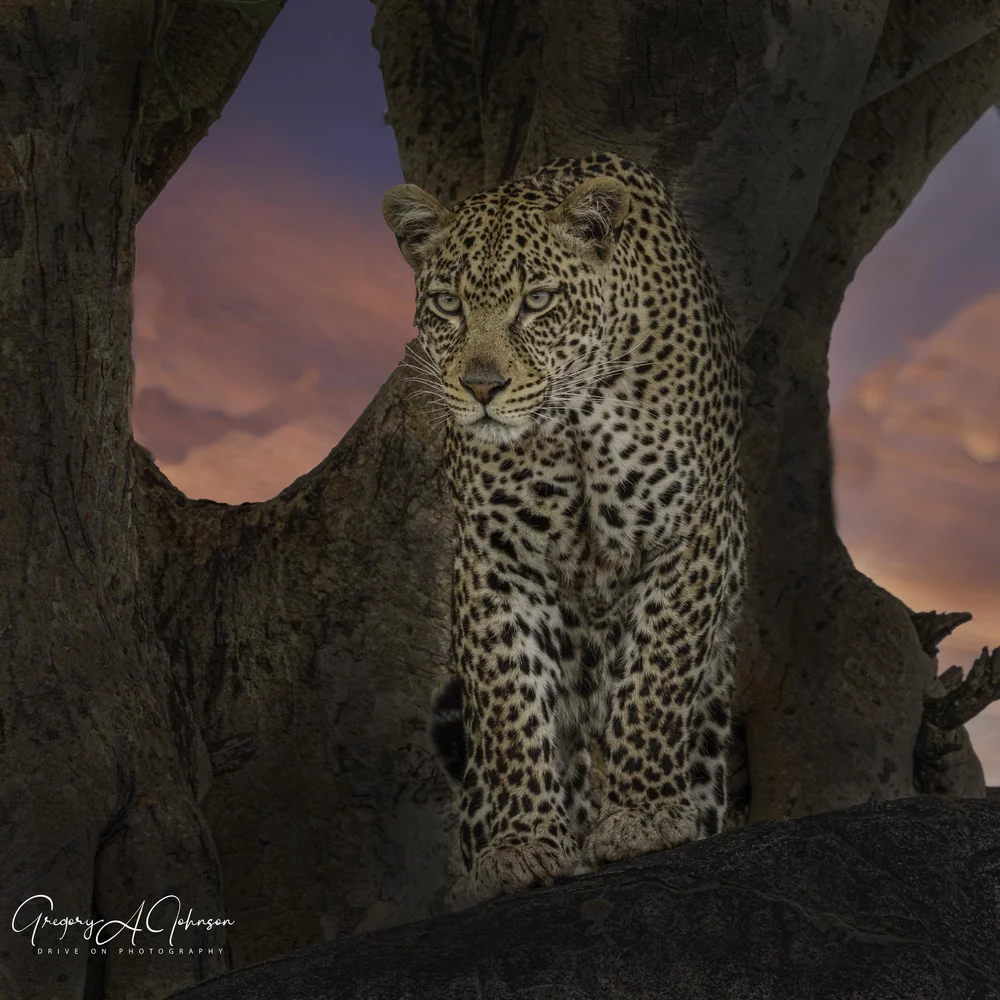
Once you’ve identified key features, it’s time to explore specific models that fit your needs. Mirrorless cameras are excellent for wildlife photography because of their lightweight build and fast performance.
Canon R7 and Sony a6700
The Canon R7 is popular among beginners. It’s a versatile choice that excels in various wildlife photography scenarios. Its fast autofocus and high frame rate make capturing quick movements easy. Plus, it’s equipped with weather sealing, ensuring durability against outdoor conditions.
The Sony a6700 offers another great option. Compact and powerful, it’s perfect for those who want high-quality output without the bulk. This camera boasts excellent ISO performance, ideal for shooting in low-light conditions. Both cameras provide exceptional value for those entering the wildlife photography arena. For more on mirrorless options, check out Fred Miranda’s forum discussion.
Nikon Z50 and OM System OM-1
The Nikon Z50 is a fantastic choice for those seeking a user-friendly interface. It offers impressive image stabilization, making it suitable for handheld shooting. This camera is particularly praised for its bird photography capabilities.
The OM System OM-1 is another excellent choice. It’s lightweight, making it ideal for travel. This model stands out for its quick autofocus and weather resistance, ensuring you capture clear shots regardless of conditions. To learn more about these models, visit DirectNine’s review.
Essential Wildlife Photography Tips
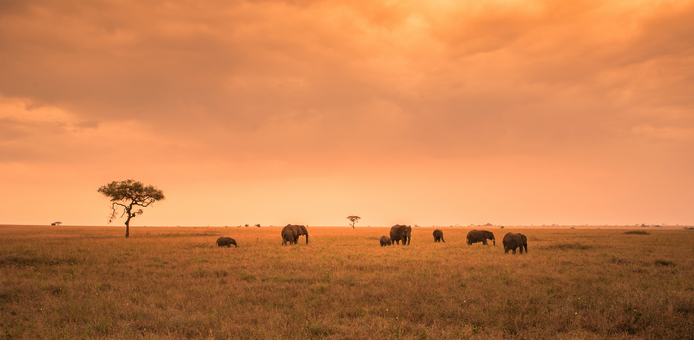
Once your camera choice is sorted, it’s time to focus on optimizing your photography skills. These tips will help you make the most of your gear.
Camera Settings for Success
Understanding your camera settings is crucial. Start with a fast shutter speed, which is essential for freezing motion, especially birds. Adjust the ISO for better performance in varying light conditions. Practice using manual mode to take full creative control. This will allow you to learn how different settings affect your shots and improve your skills over time.
Lens Recommendations and Telephoto Choices
Investing in a good lens can make a significant difference. A 100-400mm lens is ideal for beginners, offering a versatile range for various subjects. If you need more reach, consider a 150-600mm lens or even a 200-600mm lens. These lenses are perfect for capturing distant wildlife while maintaining image quality. Always ensure your lens has image stabilization to help reduce camera shake, especially when shooting at longer focal lengths.
Frequently Asked Questions
What is the best beginner wildlife camera?
A crop sensor camera like the Canon R7 or Sony a6700 is ideal for beginners. These models offer essential features like fast autofocus and high frame rates.
How important is image stabilization in wildlife photography?
Image stabilization is crucial, especially when using telephoto lenses. It helps in reducing blur and capturing sharper images, making it a must-have feature.
Which lens is best for wildlife photography?
A 100-400mm lens is a versatile choice for beginners. For more reach, consider lenses like the 150-600mm or 200-600mm, which are excellent for capturing distant subjects.
How do I choose the right camera settings for wildlife photography?
Start with a fast shutter speed to freeze motion. Adjust your ISO based on the lighting conditions. Experiment with manual mode to gain better control over your shots.
Are mirrorless cameras good for wildlife photography?
Yes, mirrorless cameras are excellent due to their lightweight design and fast performance. They offer features that make capturing wildlife easier and more effective.
Explore more about finding the best camera here.
Comment “Safari” for details on my Tanzania Photo Safari in 2027
Leave a Reply