Choosing the best camera for wildlife photography can feel overwhelming with so many options claiming to deliver perfect shots. You want gear that keeps up with fast-moving animals, performs in low light, and stands up to rugged conditions. This guide breaks down the essential features you need, compares mirrorless and DSLR models, and offers recommendations across budgets—so you can focus on capturing moments worth remembering. Check out our guide to the best cameras for wildlife photography.
Essential Camera Features
To capture wildlife effectively, your camera needs specific features. Let’s explore what makes a camera ideal for snapping those unforgettable wildlife moments.
Autofocus Tracking for Wildlife
Autofocus tracking is crucial in wildlife photography. It ensures your lens stays locked on a fast-moving subject, like a sprinting cheetah or a soaring eagle. With this feature, you don’t miss those split-second shots that tell a powerful story. Look for cameras with advanced autofocus systems that offer animal eye detection, ensuring precision and clarity in every frame. This technology is a game-changer, providing peace of mind as you shoot in dynamic settings.
High Burst Rate Camera
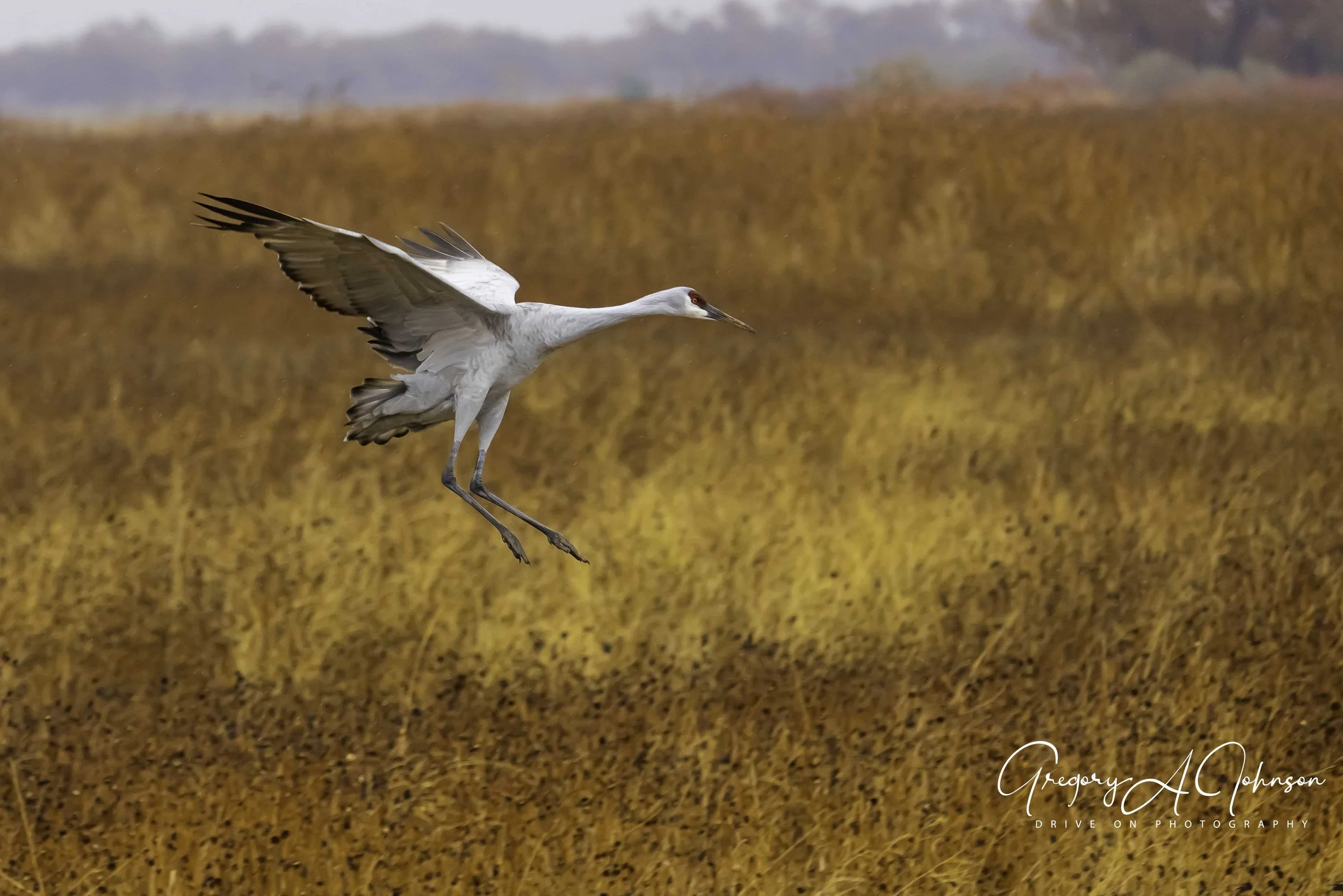
A high burst rate is your best friend when capturing wildlife action. This feature allows your camera to take multiple frames per second, increasing your chances of getting the perfect shot. Imagine photographing a bird taking flight; a camera with a burst rate of 10 frames per second or more can help you capture each stage of the movement. This ability to shoot rapidly is essential in wildlife scenarios where every moment counts.
Image Stabilization for Wildlife
When shooting handheld, image stabilization becomes vital. Wildlife often presents unpredictable moments, and you might not have time to set up a tripod. With image stabilization, your camera compensates for handheld shake, resulting in sharper images. This feature is particularly helpful in low-light conditions, where slower shutter speeds are necessary. Having this stability can make the difference between a good shot and a great one.
Comparing Camera Types
Choosing between different camera types can be daunting. Here’s how mirrorless and DSLR models stack up for wildlife photography.
Mirrorless vs DSLR Wildlife
Both mirrorless and DSLR cameras have their merits in wildlife photography. Mirrorless cameras are known for being lightweight, with faster autofocus systems. They’re ideal for those who need agility and quick response times. DSLRs, on the other hand, offer battery longevity and robust build quality. They withstand harsh conditions, making them suitable for long wildlife expeditions. Your choice depends on your priorities: speed and portability or durability and power.
Full-Frame vs APS-C vs Micro Four Thirds
The sensor size influences the quality and depth of your wildlife photos. Full-frame sensors provide superior image quality and perform well in low light, capturing more detail and dynamic range. APS-C sensors are smaller but offer a crop factor that effectively extends your lens reach, perfect for distant wildlife. Micro Four Thirds sensors are more compact, allowing for a lighter setup. Each has its strengths, depending on the shooting environment.
Weather Sealed Camera Choices
A weather-sealed camera is crucial for wildlife photography in unpredictable environments. These cameras resist moisture and dust, essential for outdoor adventures. Whether you’re in a rainforest or a desert, weather sealing ensures your equipment remains operational. Don’t let unexpected weather stop you from capturing breathtaking wildlife scenes.
Recommendations Across Budgets
You don’t need to break the bank for a capable wildlife camera. Here’s a breakdown of the best options across different budget levels.
Entry-Level: Best Beginner Wildlife Camera
For beginners, the Nikon D3500 is a solid choice. It’s user-friendly, with a reliable autofocus system and decent burst rate. This camera provides a fantastic introduction to wildlife photography without overwhelming you with complex features. Its lightweight design makes it easy to carry on long hikes, perfect for those new to the craft.
Mid-Level: Canon R5 and Nikon Z9 Wildlife
The Canon R5 and Nikon Z9 are excellent mid-level choices. The Canon R5 offers incredible autofocus capabilities and high-resolution output, ideal for detailed wildlife shots. The Nikon Z9 impresses with its fast burst rate and durable build, making it reliable in tough conditions. Both cameras are perfect for enthusiasts ready to take their wildlife photography to the next level.
Pro-Level: Sony A1 Wildlife Options
The Sony A1 stands out for professional wildlife photographers. Its high frame rate and superior autofocus system capture every detail of fast-moving animals. The camera’s full-frame sensor ensures exceptional image quality, even in challenging light. Investing in the Sony A1 means you’re equipped with one of the best tools for wildlife photography.
Frequently Asked Questions
What is the best camera for bird photography?
For bird photography, a camera with a fast autofocus system and high burst rate is essential. Models like the Sony A1 or Canon R5 are excellent choices because they capture rapid movements and offer great image quality.
Should I choose a mirrorless or DSLR camera for wildlife photography?
Mirrorless cameras are lightweight and offer fast autofocus, making them ideal for quick shooting. DSLRs are more rugged and have longer battery life, making them suitable for extended trips. Your choice depends on your specific needs and shooting style.
Why is weather sealing important in wildlife photography?
Weather sealing protects your camera from moisture and dust, ensuring it functions in harsh environmental conditions. This feature is crucial for wildlife photographers who often shoot in diverse and unpredictable outdoor settings.
What is the advantage of a full-frame sensor for wildlife photography?
Full-frame sensors capture more detail, offer better low-light performance, and have a wider dynamic range. They provide superior image quality, making them ideal for capturing the intricate details of wildlife scenes.
Comment “Safari” for details on my Tanzania Photo Safari in 2027
Leave a Reply