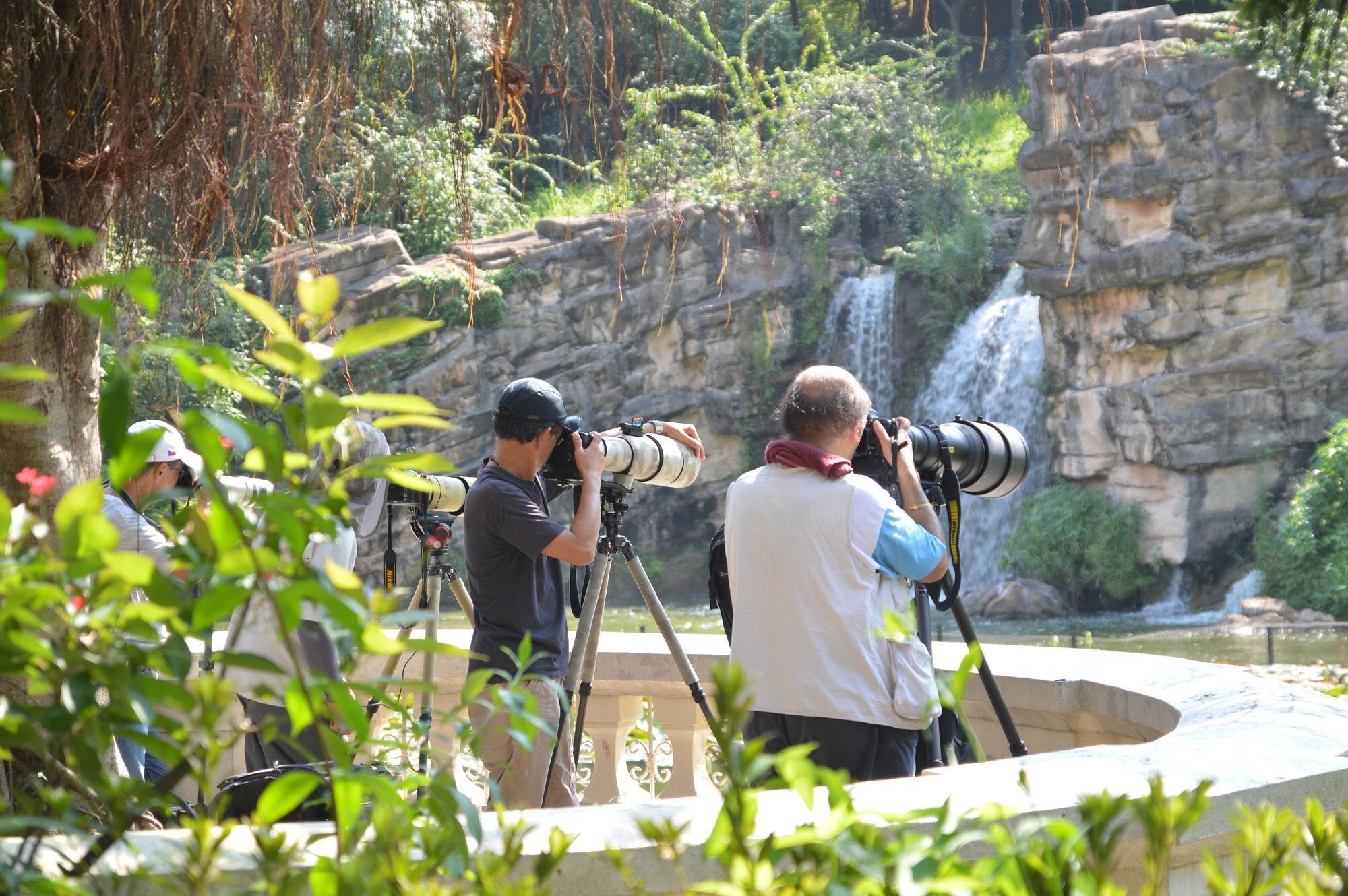
Choosing the right mirrorless camera for wildlife photography can feel like navigating a maze. You want autofocus that keeps up with quick animal movements, a frame rate fast enough to catch the perfect action, and lenses that reach without weighing you down. This guide cuts through the noise to focus on what truly matters in the field—from sensor tech to weather sealing—so your next wildlife trip becomes a story worth telling. For further insights on choosing the best mirrorless camera, you might find this resource helpful.
Key Features for Wildlife Photography
When exploring wildlife photography, it’s crucial to understand the features that will make a difference in capturing breathtaking images. Let’s dive into what to prioritize.
Autofocus and Subject Tracking
Autofocus is the heart of wildlife photography. You need a camera that locks onto animals quickly. Look for systems with animal eye AF and bird detection autofocus. These help you track fast-moving creatures with precision. For instance, many enthusiasts find the Sony A9’s subject tracking feature invaluable. It excels in keeping subjects sharp even in unpredictable wildlife scenes. This level of accuracy ensures you don’t miss those unique moments. Don’t forget to explore additional insights on subject tracking.
High Frame Rate and Buffer Depth
A high frame rate lets you capture multiple images in rapid succession. Aim for at least 10 frames per second. This is especially useful when photographing dynamic scenes, like a cheetah sprinting across the savannah. Buffer depth is equally important. It determines how many shots you can take before your camera pauses to process. Cameras with deeper buffers let you keep shooting longer. For example, a camera with a buffer capacity of 100 shots gives you an edge in fast-paced environments. For more on high frame rate shooting, visit this detailed review.
Image Stabilization and Weather Sealing
Image stabilization compensates for shaky hands or movement, delivering sharp images even at slower shutter speeds. In-body image stabilization is particularly beneficial when using long lenses. Weather sealing protects your gear from dust and moisture, which is vital when exploring diverse environments like rainforests or deserts. A weather-sealed camera ensures longevity and reliability, crucial for adventurous photographers. Explore a comprehensive guide for more on weather-sealed options.
Choosing the Right Sensor and Lens
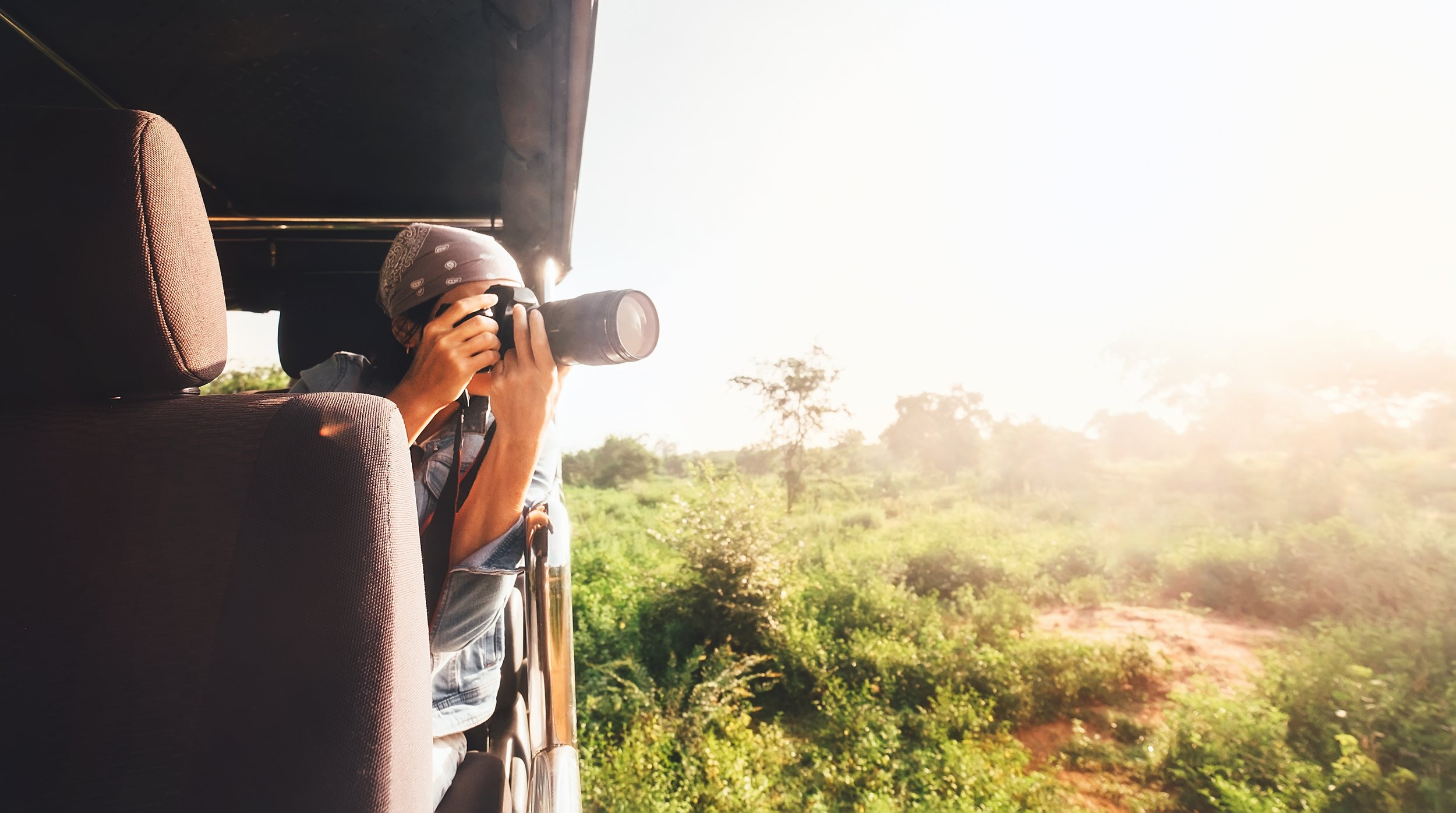
The choice of sensor and lens impacts your ability to capture stunning wildlife shots. Here’s what you need to know.
Micro Four Thirds vs Full Frame
Deciding between Micro Four Thirds and full frame sensors can be tricky. Full frame sensors generally offer better image quality and low-light performance. They’re ideal if you often shoot in dim settings. In contrast, Micro Four Thirds cameras are lighter and have more reach, given their crop factor. This makes them a popular choice for travelers prioritizing portability. Evaluate whether weight or image quality is more important for your adventures. For further reading, check out this comparison.
Telephoto Lenses and Teleconverters
Telephoto lenses are essential for wildlife photography. A 100-500mm lens provides the flexibility to capture distant subjects. Adding a teleconverter can extend your reach further, turning a 200-600mm lens into something even more powerful. However, be cautious: teleconverters can reduce light and affect autofocus speed. Make sure your camera can handle these changes before relying on them in the field.
Travel Readiness and Practical Tips
Knowing your gear is half the battle, but being prepared for travel can make or break your adventure.
Packing for Wildlife Adventures
Smart packing ensures you’re ready for any situation. Start with a sturdy backpack designed for camera equipment. It should have ample padding to protect your gear. Include extra batteries and memory cards—you’ll need them for long days in the field. Also, consider a lightweight tripod for stability during low-light conditions. For extra protection, pack weatherproof covers for unexpected rain.
Quick-Start Camera Settings
Before heading out, familiarize yourself with basic settings. Use aperture priority mode to manage depth of field easily. Set your ISO to auto in changing light conditions. For action shots, use continuous shooting mode. These settings will help you adapt quickly to different wildlife scenarios. Adjust these as needed based on the environment and time of day.
By focusing on these essential features and tips, you’re well on your way to capturing unforgettable wildlife images. Whether you’re capturing the grandeur of a lion in the Serengeti or the subtle beauty of a bird in Yellowstone, your mirrorless camera will be your trusted companion.
Frequently Asked Questions
What is the best mirrorless camera for wildlife photography?
A great option is the Sony A9, which offers impressive autofocus and fast frame rates. It excels in capturing fast-moving subjects with precision.
How important is weather sealing in a camera?
Weather sealing is crucial for protecting your camera from elements like dust and moisture. This ensures your gear remains functional in diverse environments.
Should I choose a full frame or Micro Four Thirds sensor?
Full frame sensors provide better image quality, especially in low light. Micro Four Thirds are lighter and offer more reach, perfect for portability.
What are teleconverters used for in wildlife photography?
Teleconverters extend the reach of your lens, allowing you to capture distant subjects. However, they can reduce light and autofocus speed.
How can I prepare my camera for a wildlife trip?
Familiarize yourself with settings like aperture priority and continuous shooting mode. Pack extra batteries, memory cards, and a sturdy tripod.
Comment “Safari” for details on my Tanzania Photo Safari in 2027
Leave a Reply