
Planning a small-group photography workshop that blends travel, hands-on photo instruction, and genuine adventure takes more than a checklist. You want an experience where every moment—from golden hour photography to exploring remarkable places—feels purposeful and welcoming. This guide lays out a clear path for crafting a travel photography workshop that invites creativity, connection, and discovery without overwhelming your guests. Let’s explore how thoughtful planning can turn your vision into an unforgettable journey. For more inspiration, you can check out this post from The Uncommitted Photographer.
Designing the Perfect Workshop
Creating a workshop that balances travel, learning, and adventure begins with a clear vision. This vision sets the foundation for an experience that is both enriching and memorable.
Balancing Travel and Learning
Throughout your workshop, it’s important to strike a balance between travel and learning. Participants should feel engaged without feeling overwhelmed. When planning your itinerary, consider including both structured learning sessions and free exploration time. This allows participants to absorb information and practice their skills in a relaxed setting.
Start by incorporating diverse learning opportunities. These might include guided field shoots, personalized feedback sessions, and informal group discussions. Allow for time where guests can explore independently, giving them the chance to capture scenes that speak to their personal vision. This blend of guided and independent experiences ensures that everyone leaves with newfound skills and personal discoveries.
Adventure in Photography Workshops
Adventure is the spice that brings excitement to any photography workshop. Integrating exciting elements into your itinerary can make the experience unforgettable. Think about incorporating activities such as a guided wildlife tour or a sunrise shoot at a stunning location.
Choose activities that align with your participants’ interests and skill levels. By offering a range of options, you cater to both beginners and advanced photographers. Adventure not only enriches the learning process but also helps build camaraderie among participants, creating lasting connections.
Crafting the Ideal Itinerary
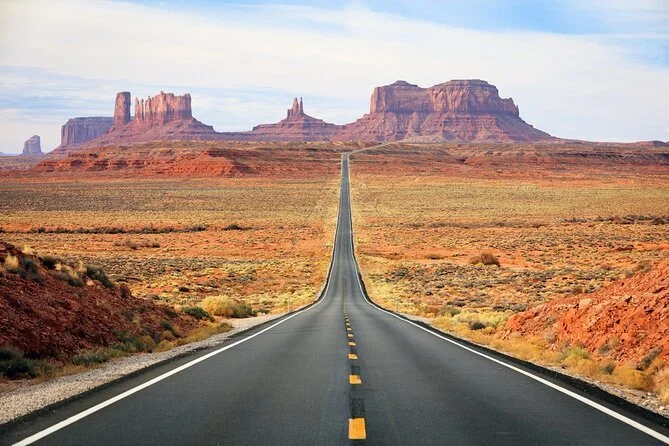
Designing an itinerary that captures the essence of your workshop requires thoughtful consideration. Each element should contribute to the overall experience and learning goals.
Selecting Unique Destinations
Choosing the right destinations is crucial for a successful workshop. Opt for places that offer both compelling subjects and diverse learning opportunities. Whether it’s a bustling cityscape or a tranquil natural setting, a unique destination can inspire creativity and exploration.
Consider destinations that provide a range of photographic opportunities. This might include iconic landmarks, hidden gems, or culturally rich environments. By selecting such locations, you ensure that participants have ample opportunities to capture stunning images and expand their skills.
Photography Education Without Intimidation
Education should be an integral part of your workshop, but it must be approachable. Avoid overwhelming participants with technical jargon. Instead, focus on practical, hands-on learning experiences that cater to various skill levels.
Encourage participants to experiment and learn from their mistakes in a supportive environment. Providing constructive feedback and offering personalized guidance helps build confidence and fosters a positive learning atmosphere. This approach ensures that everyone, from beginners to seasoned photographers, feels comfortable and motivated to improve.
Ensuring Unforgettable Experiences
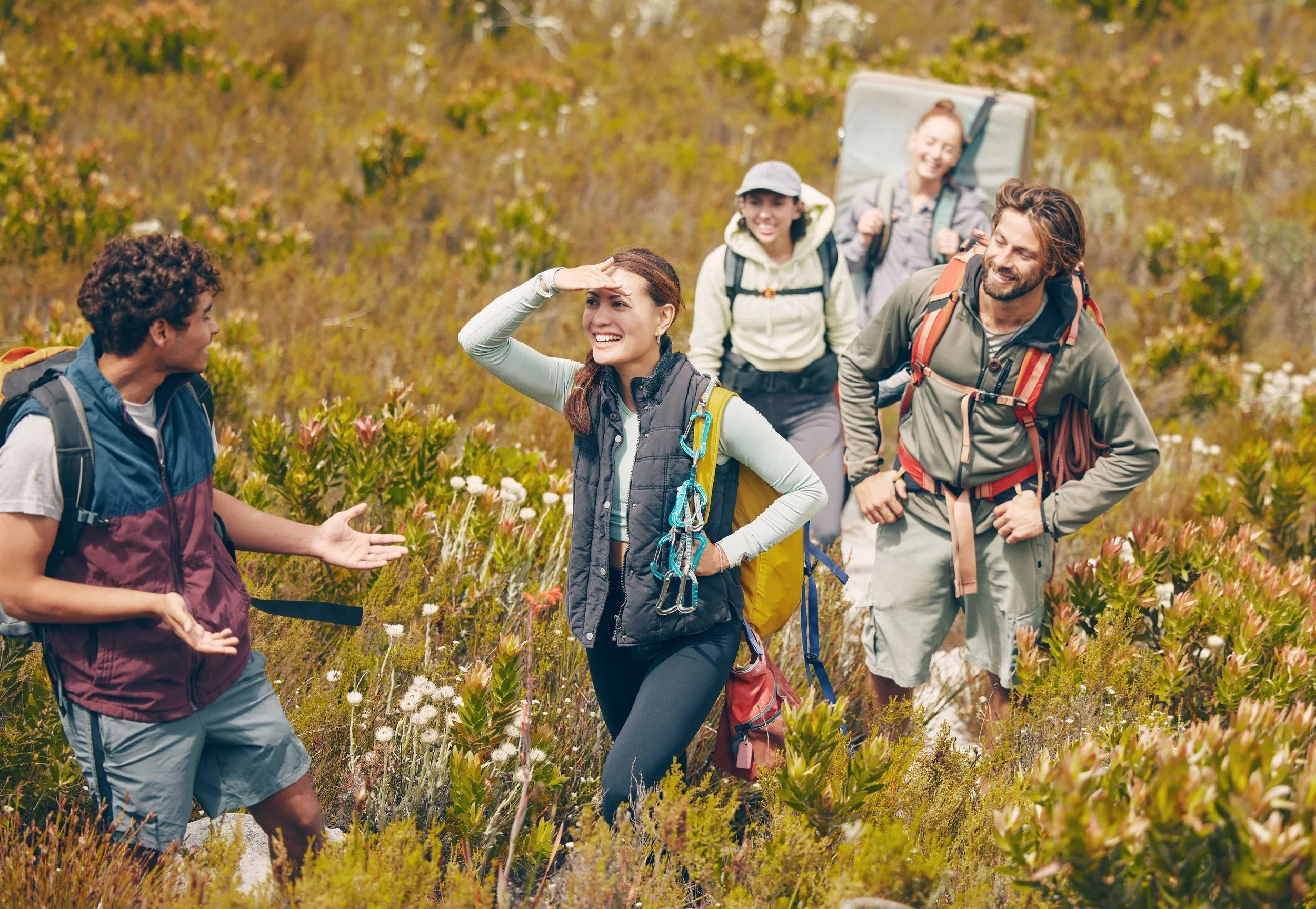
Creating an unforgettable experience involves more than just teaching photography skills. It’s about building connections and fostering a sense of community among participants.
Hands-On Photo Instruction Tips
Hands-on instruction is a cornerstone of effective learning. Plan interactive sessions where participants can try new techniques and receive real-time feedback. This might involve working on composition, mastering lighting, or experimenting with different camera settings.
Provide clear, actionable tips during instruction. Whether it’s the best time of day for golden hour photography or how to approach wildlife photography respectfully, practical advice is invaluable. Such tips can be the difference between a good shot and a great one.
Creating a Community Connection
Community is at the heart of any successful workshop. Encourage participants to share their experiences and insights with one another. Group activities, such as photo walks or evening discussions, help build camaraderie and foster a supportive network.
Facilitate opportunities for participants to connect on a personal level. By creating an inclusive and welcoming environment, you ensure that everyone feels valued and appreciated. This sense of community not only enriches the workshop experience but also creates lasting memories and friendships.
Frequently Asked Questions
How do I choose the right destination for a photography workshop?
Choose destinations that offer diverse photographic opportunities and align with your workshop’s theme. Consider locations with iconic landmarks, vibrant cultures, and unique landscapes that inspire creativity.
What is the ideal group size for a small-group photography workshop?
A group size of 10-12 participants is ideal for personalized attention and meaningful interaction. This allows for individual feedback and ensures that everyone feels included in the learning process.
How can I make a photography workshop approachable for beginners?
Focus on hands-on learning and provide clear, practical instructions. Avoid using technical jargon and create a supportive environment where beginners feel comfortable asking questions and experimenting with new techniques.
What are some tips for balancing structured learning and free exploration in a workshop?
Design your itinerary to include both guided sessions and free time. Offer a mix of structured learning opportunities, such as workshops and field shoots, alongside periods of independent exploration to allow participants to practice at their own pace.
How can I foster a sense of community in my photography workshop?
Encourage group activities and create opportunities for participants to connect on a personal level. Facilitate discussions, photo walks, and group critiques to build camaraderie and a supportive network among participants.
Comment “Safari” for details on my Tanzania Photo Safari in 2027
Leave a Reply