
When autumn leaves begin their slow transformation, ordinary scenes hold the quiet potential for unforgettable photographs. Recognizing the subtle shifts in light, color contrast, atmosphere, and reflections turns a simple walk among trees into a creative adventure. With the right eye and some fall foliage photography tips, you’ll see how the magic of changing leaves reveals stories worth capturing. Let’s explore what makes autumn leaves photography truly memorable. Join our community for more inspiration.
Visual Cues for Memorable Shots
Every autumn scene holds hidden gems waiting to be discovered. By observing key visual cues, you can transform everyday landscapes into striking images.
Light and Shadow Play
Light and shadow can dramatically change how a scene looks. During autumn, the sun sits lower in the sky, casting long shadows. This creates a unique opportunity for dramatic effects. As you wander through a forest or park, notice how sunlight filters through the leaves. It creates patterns on the ground, turning ordinary paths into works of art. Experiment by shifting your position to see how the shadows alter the scene. You’ll find that even a slight change can make a big difference.
Embracing Color Contrast
Autumn is a season of vibrant colors. The contrast between bright reds, oranges, and yellows against the remaining greens makes for captivating photos. To capture this, find areas where colors clash beautifully. A red maple tree against a bright blue sky or golden leaves against a dark tree trunk are perfect examples. This contrast makes the colors pop, creating eye-catching images. Use a polarizing filter to enhance these colors further, making them more vivid.
Capturing Atmosphere and Fog
Fog adds a mystical atmosphere to autumn scenes. Early mornings are the best time to find fog in landscapes. It softens the light and gives a dreamy effect to your photos. As fog settles over a lake or winds through trees, it creates layers and depth. This can turn an ordinary scene into something extraordinary. When photographing fog, focus on a point of interest, like a lone tree or a distant mountain. This gives your photo structure and leads the viewer’s eye through the mist.
Techniques for Stunning Fall Photos
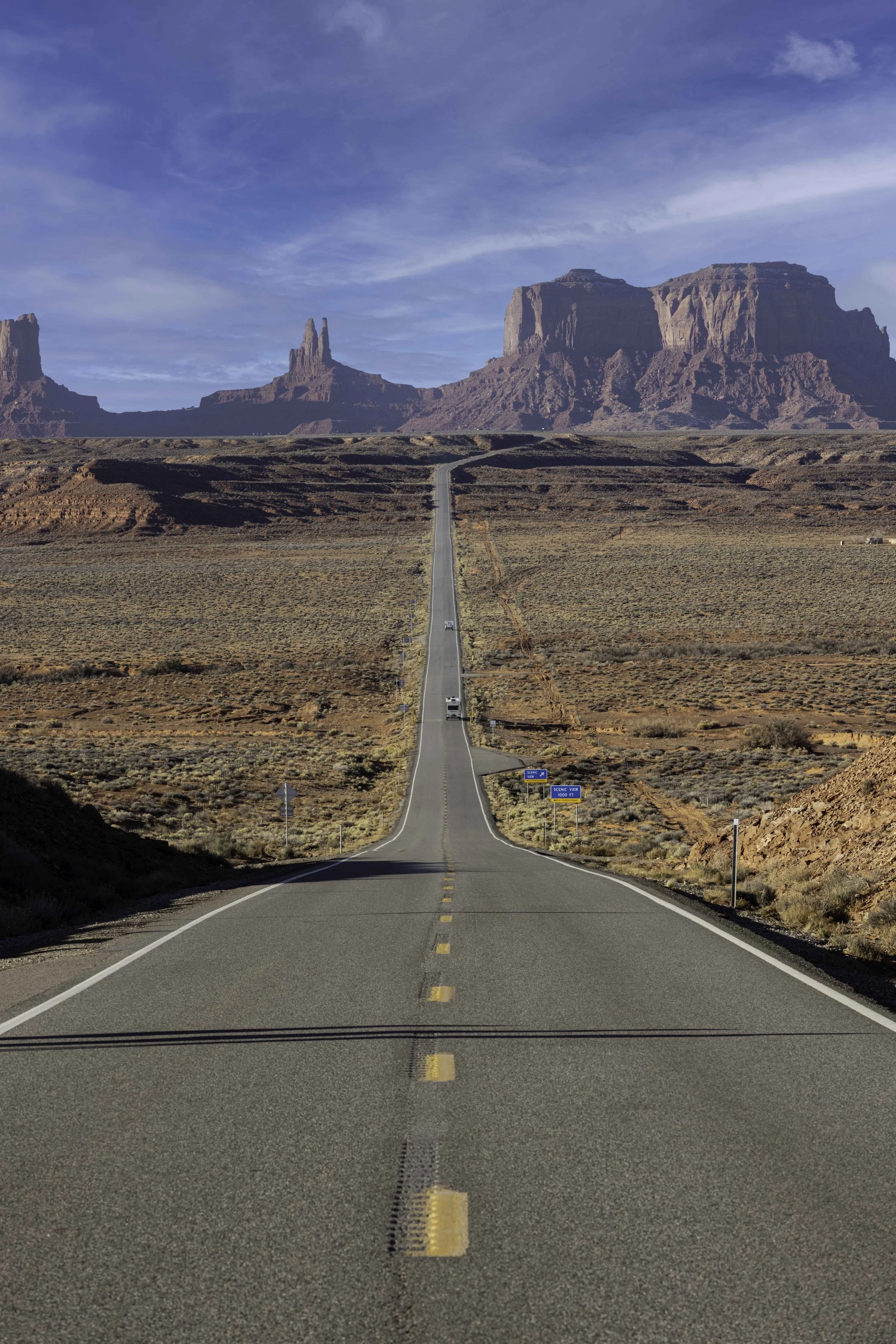
Once you’ve identified what to capture, the next step is using the right techniques to make your photos stand out.
Backlighting Autumn Leaves
Backlighting can make leaves glow. When the sun shines through them, it highlights their colors and veins. Position yourself so the sun is behind the leaves, and you’ll see them light up like stained glass. This technique works best in the late afternoon when the sun is lower. Adjust your exposure to prevent the sky from blowing out, keeping the focus on the illuminated leaves.
Golden Hour and Blue Hour Tips
The golden hour, just after sunrise or before sunset, bathes scenes in warm light. This is ideal for capturing the rich colors of autumn. During the golden hour, shadows are softer, and the light adds warmth to the scene. The blue hour, just before sunrise or after sunset, offers a cooler, more subdued light. It’s perfect for capturing the calm, peaceful side of autumn. Experimenting with both can give you a range of tones and moods in your photos.
Using Polarizing Filters
Polarizing filters are essential for enhancing fall colors. They reduce reflections from leaves and water, making colors more vibrant. When photographing a scene with a lot of foliage or water, this filter can be invaluable. It also helps to deepen the blue of the sky, adding contrast to the colorful leaves below. Simply rotate the filter to adjust the intensity of the effect.
Choosing the Perfect Setting

Where you shoot is just as important as how you shoot. Some locations are particularly stunning in autumn.
Rocky Mountains Fall Colors
The Rocky Mountains offer a breathtaking backdrop for autumn photography. The contrast of rugged peaks with colorful aspens is unmatched. As you explore the Rockies, look for areas where aspens stand in clusters. Their bright yellow leaves create a striking contrast against the dark evergreen trees and gray mountain rocks. Plan your visit around late September to early October, when the colors are at their peak.
Smoky Mountains Autumn Views
The Smoky Mountains are renowned for their fall foliage. The rolling hills and dense forests turn into a sea of color each autumn. Visit in early to mid-October for the best display. As you hike through the trails, look for spots where you can capture the layers of colored trees stretching into the distance. The morning fog in the valleys adds a mystical touch, making your photos even more enchanting.
Southwest Cottonwoods in Fall
In the Southwest, cottonwoods provide a unique autumn display. Their golden leaves stand out against the desert landscape, offering a contrast that’s both stark and beautiful. The best places to see these are along rivers and in canyons, where the trees thrive. Capture the interplay of golden leaves against the red rock formations for a truly stunning image.
Frequently Asked Questions
How do I photograph fall colors with a smartphone?
To capture fall colors with a smartphone, focus on composition and lighting. Use natural light, like during the golden hour, to enhance colors. Experiment with angles and get close to highlight details.
What settings should I use for photographing fog?
When photographing fog, use a low ISO and a tripod for stability. Set your aperture between f/8 and f/11 for a sharp depth of field. Use a slower shutter speed to capture the fog’s movement.
When is the best time to see fall colors in the Smoky Mountains?
The best time to see fall colors in the Smoky Mountains is from early to mid-October. The exact timing can vary each year, so check local foliage reports for the most accurate predictions.
Leave a Reply