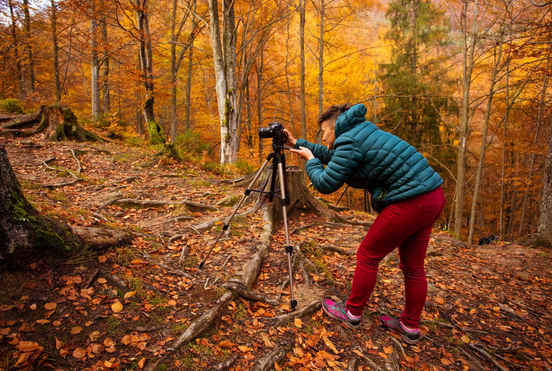
Choosing the best camera for wildlife photography can feel overwhelming. You want gear that matches your skill level and helps you capture stunning moments without frustration. This guide breaks down camera choices—from mirrorless to DSLR—and highlights features like autofocus tracking and weather sealing, so you can select with confidence and focus on the adventure ahead. Ready to find your perfect wildlife photography camera? Let’s start. For more insights, explore this [https://directnine.com/best-cameras-to-pick-for-bird-and-wildlife-photography/].
Choosing Your Wildlife Photography Camera
Finding the right wildlife photography camera can transform your adventures into a storytelling journey. It begins with understanding what kind of camera suits your style and needs.
Understanding Camera Types
When selecting a wildlife photography camera, understanding the different types is the first step. Cameras fall into two main categories: DSLRs and mirrorless models. Both have unique qualities that could make them your ideal companion.
DSLRs are known for their durability and longer battery life, making them popular among adventurers who explore remote areas. They tend to be bulkier, which can be a consideration if you prefer lightweight gear. Mirrorless cameras are compact and boast cutting-edge technology. They often offer faster shooting speeds and advanced autofocus systems. These features can be beneficial when capturing fast-moving wildlife.
DSLR vs Mirrorless for Wildlife
Choosing between DSLR and mirrorless cameras for wildlife photography can be daunting. Each has distinct advantages that cater to different shooting styles.
DSLRs have been the go-to for many photographers due to their robust build and optical viewfinder, which gives a real-time view of your subject. This real-time view can be crucial for photographing wildlife in dynamic environments. However, mirrorless cameras are gaining popularity. They offer electronic viewfinders and often come with features like silent shooting modes. This can be particularly useful when trying not to disturb shy animals.
If lightweight gear and advanced features appeal to you, a mirrorless model might be the right choice. However, if you value robustness and battery longevity, a DSLR could be your best bet.
Key Features to Consider
Beyond camera type, certain features are essential for wildlife photography. Look for models with fast autofocus and high burst rates. These features enable you to capture animals in motion without missing the perfect shot.
Weather sealing is another critical feature. It protects your gear from dust, rain, and other environmental factors, especially when you’re on safari. This ensures your camera performs reliably, regardless of the conditions.
Essential Camera Specs for Wildlife
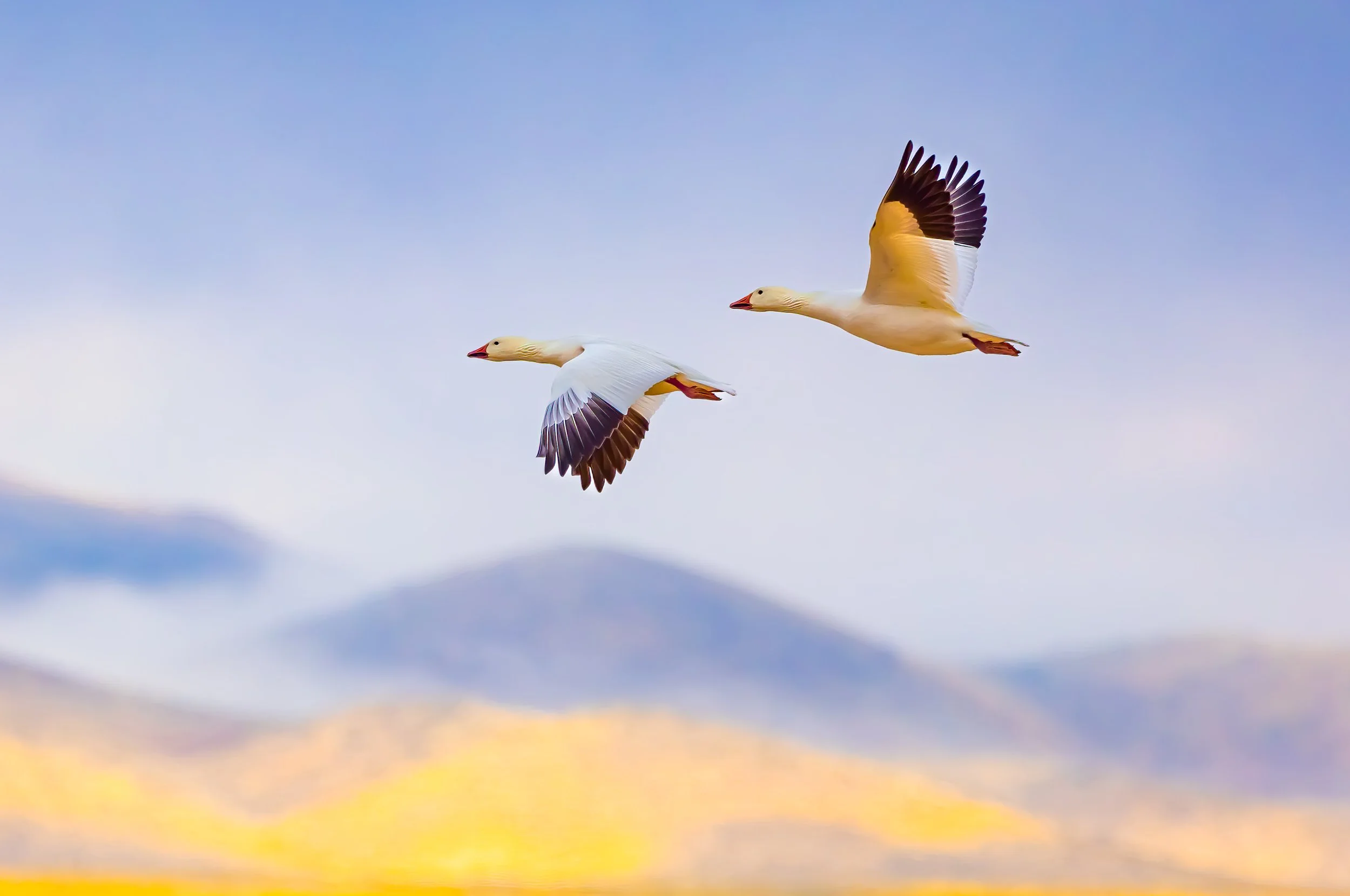
Equipped with the right camera features, you’ll be ready to face any wildlife photography challenge. Let’s explore the specs that truly make a difference in your photographic adventures.
Autofocus Tracking for Birds
When photographing birds, autofocus tracking is a game-changer. It allows your camera to follow moving subjects with precision, ensuring sharp images every time.
Modern cameras come equipped with advanced tracking technologies. They can lock onto your subject and maintain focus as it moves through the frame. This is particularly useful for birds, which can be unpredictable and fast. Cameras like the Sony a9 III are favorites due to their excellent tracking capabilities.
Burst Rate and Buffer Importance
Capturing the perfect wildlife moment often requires taking multiple shots in quick succession. This is where a camera’s burst rate and buffer come into play.
A high burst rate lets you capture several frames per second, increasing your chances of getting the perfect shot. The buffer size determines how many images can be stored temporarily before the camera slows down. Look for cameras offering at least 10 frames per second with a large buffer, similar to the Canon R5.
Weather Sealing for Safari Adventures
Weather sealing is an essential feature for wildlife photographers, especially on safaris. It ensures your camera can withstand harsh conditions, from dust storms to rain showers.
When heading into the wild, you need equipment that won’t let you down. Cameras with weather sealing, like the Nikon Z9, are built to endure such climates, allowing you to focus on capturing breathtaking moments without worrying about your gear.
Top Camera Picks for Every Level
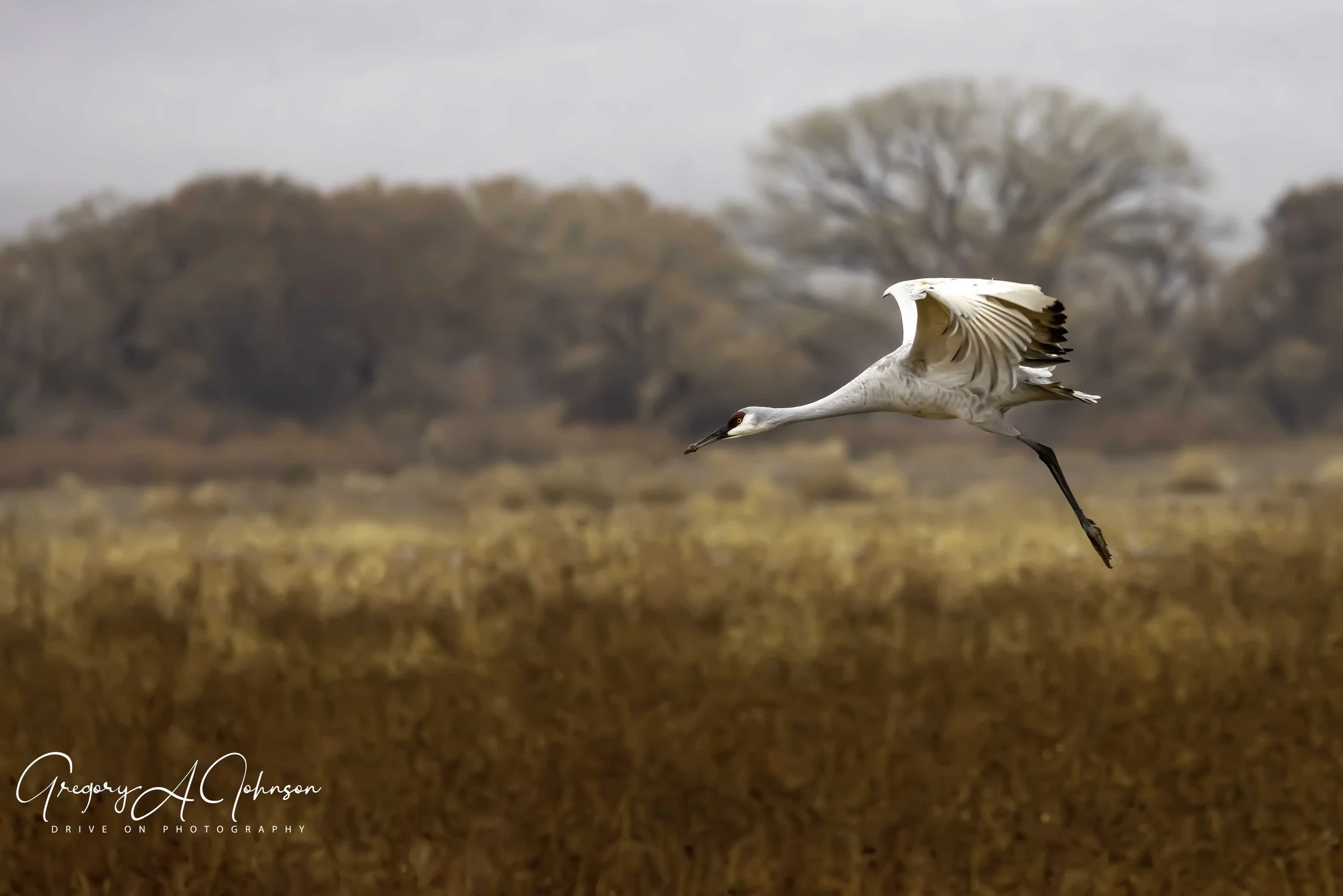
Whether you’re a beginner or a seasoned pro, there’s a wildlife photography camera tailored to your needs. Here’s a guide to help you find yours.
Best Cameras for Beginners
For those new to wildlife photography, ease of use and affordability are key. Cameras like the Canon R7 offer intuitive controls and excellent image quality without overwhelming complexity.
These beginner-friendly models come with guided modes that help you learn as you shoot. They provide a great balance between automatic and manual settings, allowing you to grow your skills while capturing stunning wildlife images.
Advanced Cameras for Enthusiasts
Enthusiast photographers often seek more control and advanced features. Cameras such as the Sony A1 offer high resolution and exceptional autofocus systems, perfect for capturing detailed wildlife shots.
These models provide flexibility, allowing you to experiment with different styles and techniques. With options to customize settings, they cater to those who want to refine their craft further.
Professional Wildlife Camera Recommendations
Professional photographers demand the highest quality and performance. Models like the Nikon Z9 are built for the task, offering unparalleled image quality and robust build.
These cameras come equipped with advanced features, such as 8K video capabilities and extensive weather sealing. They’re designed to deliver exceptional results in the most challenging environments, making them a top choice for wildlife professionals.
Frequently Asked Questions
What is the best camera for wildlife photography?
The best camera depends on your needs. Beginners may opt for models like the Canon R7 for ease of use, while professionals might prefer the advanced capabilities of the Nikon Z9.
Why is weather sealing important in wildlife photography?
Weather sealing protects your camera from environmental elements like dust and moisture, ensuring reliability in various conditions, which is crucial for capturing wildlife.
How does autofocus tracking help in wildlife photography?
Autofocus tracking allows the camera to maintain focus on moving subjects, vital for capturing sharp images of fast-moving wildlife like birds.
What should I consider when choosing a camera for safaris?
Look for cameras with good weather sealing, a high burst rate, and excellent autofocus to handle the dynamic conditions and fast-paced action of safari environments.
Are mirrorless cameras good for wildlife photography?
Yes, mirrorless cameras are excellent for wildlife photography due to their compact size, fast autofocus, and silent shooting modes, making them less intrusive when capturing animals.
Comment “Safari” for details on my Tanzania Photo Safari in 2027
Leave a Reply